Muse shopping
I’m designing how shopping connects Instagram with Muse: what the agent can do for you, and what you should still review.
In progress · Public product context
Senior Staff Product Designer
Senior Staff Product Designer
Today I lead product design for Instagram Shopping as an IC. I’m also designing how shopping connects Instagram with Muse, Meta’s personal AI agent. Before Instagram, I was Nuro’s first designer and Instacart’s second.
Instagram01
Design lead2020–2023, 2025–now
People open Instagram to be entertained, then shop when something catches their attention. We had to make it easy to act on that inspiration without getting in the way.
I set direction across teams and design core parts of the product
Selected work
In progress · Public product context
In progress
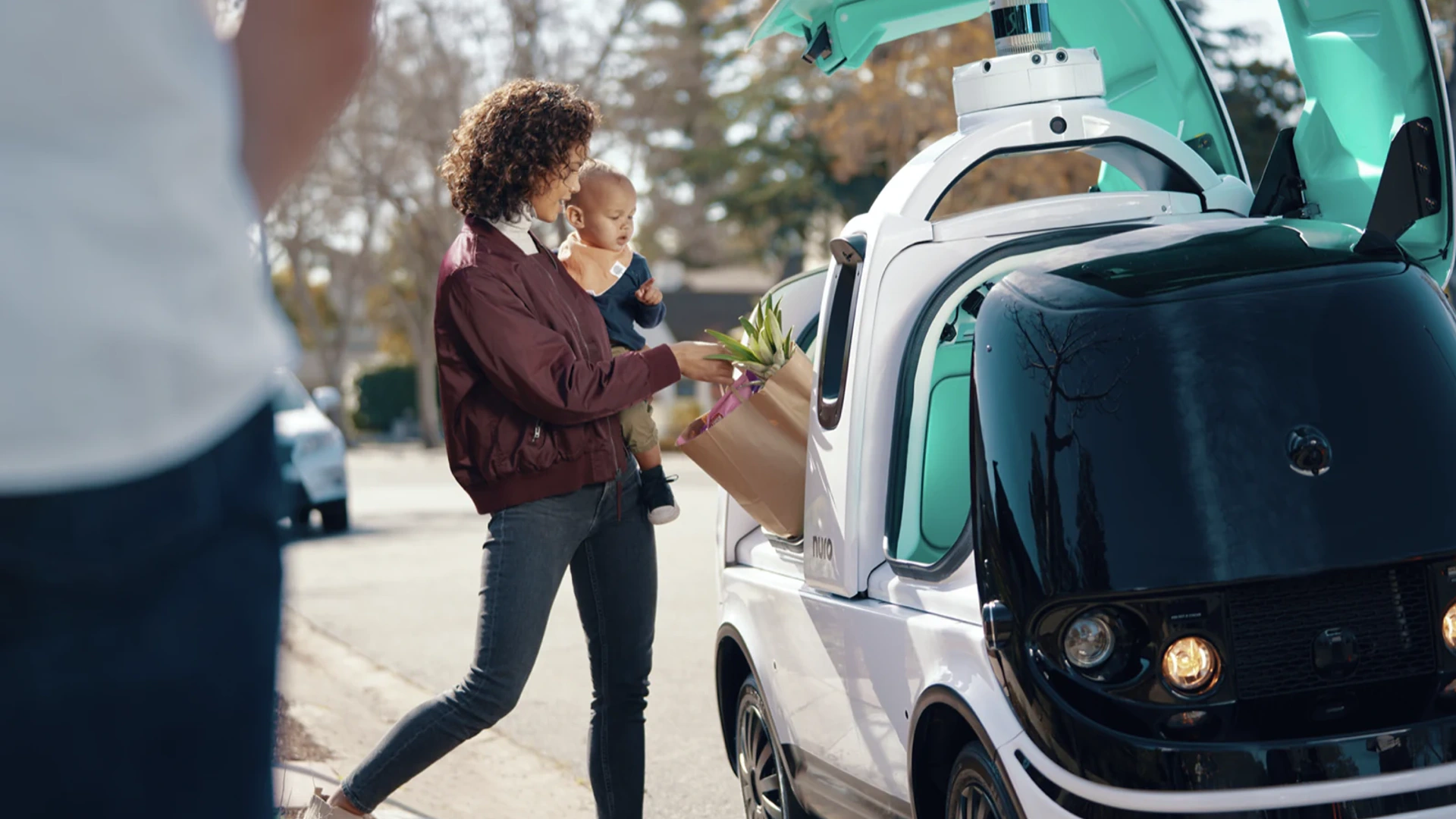
The team had a self-driving vehicle, but no service around it. We had to figure out what people would use it for and how the fleet would run.
I figured out which tools the fleet needed, what to build first, and designed their first versions. I also worked on the customer app and vehicle interface.
Selected work
Modern reconstruction · Sample data
Night field test
Instagram03
Design lead2023–2025
Instagram had never sold a subscription. We had to figure out what creators and businesses would pay for, and what should stay free.
I owned the Instagram experience and pitched and designed its core benefits.
Selected work
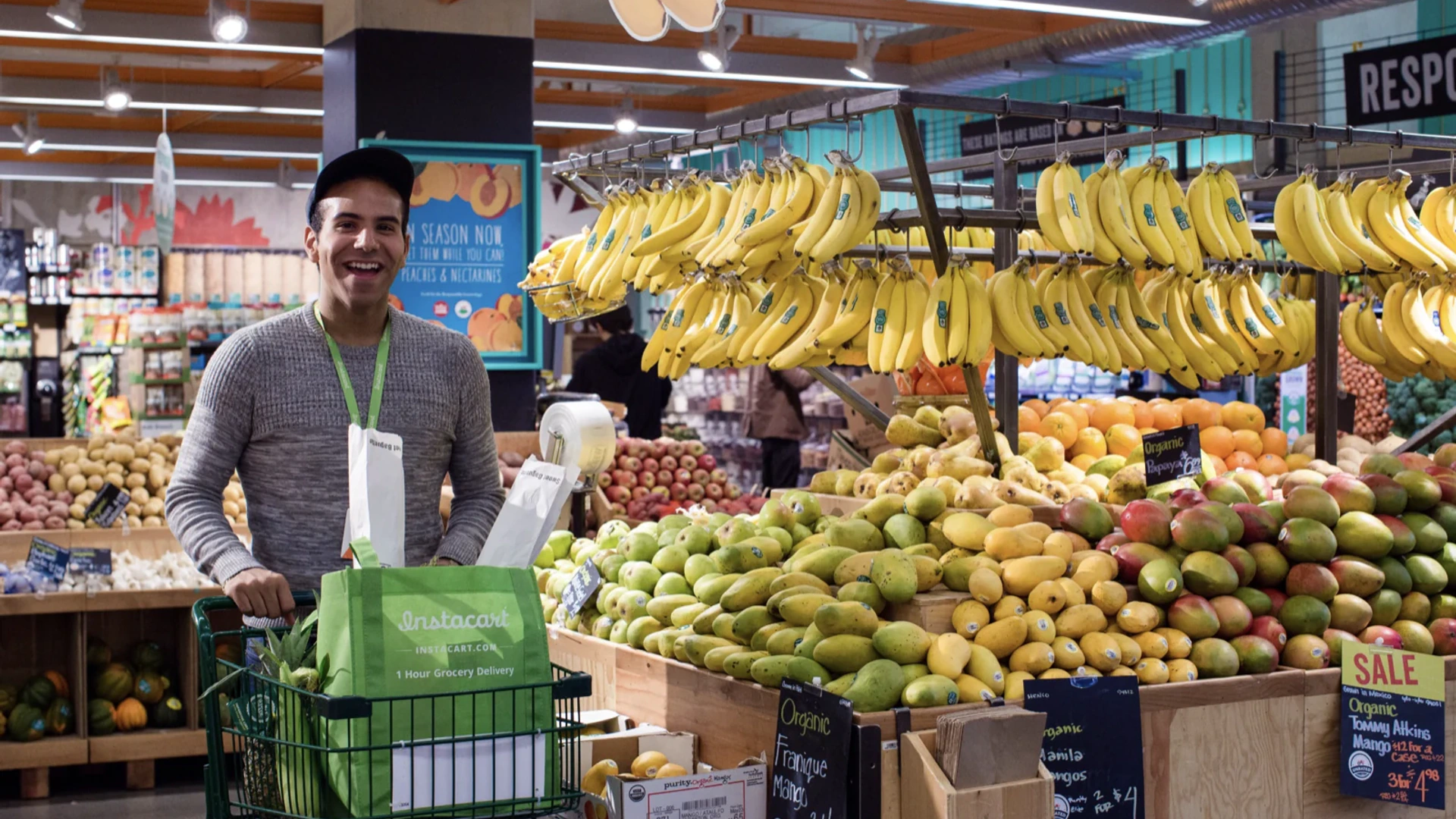
When I joined, no one was designing for the people doing the shopping. Shoppers and drivers ran the operation on mobile web.
I focused on getting orders from the store to someone’s door. We built the first native app for shoppers, drivers, and cashiers, along with tools to apply, schedule shifts, and get paid.
Selected work
Whole Foods, 2015
Archived shopper signup site
About
I’m Dominican, grew up in New Jersey, and now live in Brooklyn. I’ve always been curious about how things work, and usually making something myself.
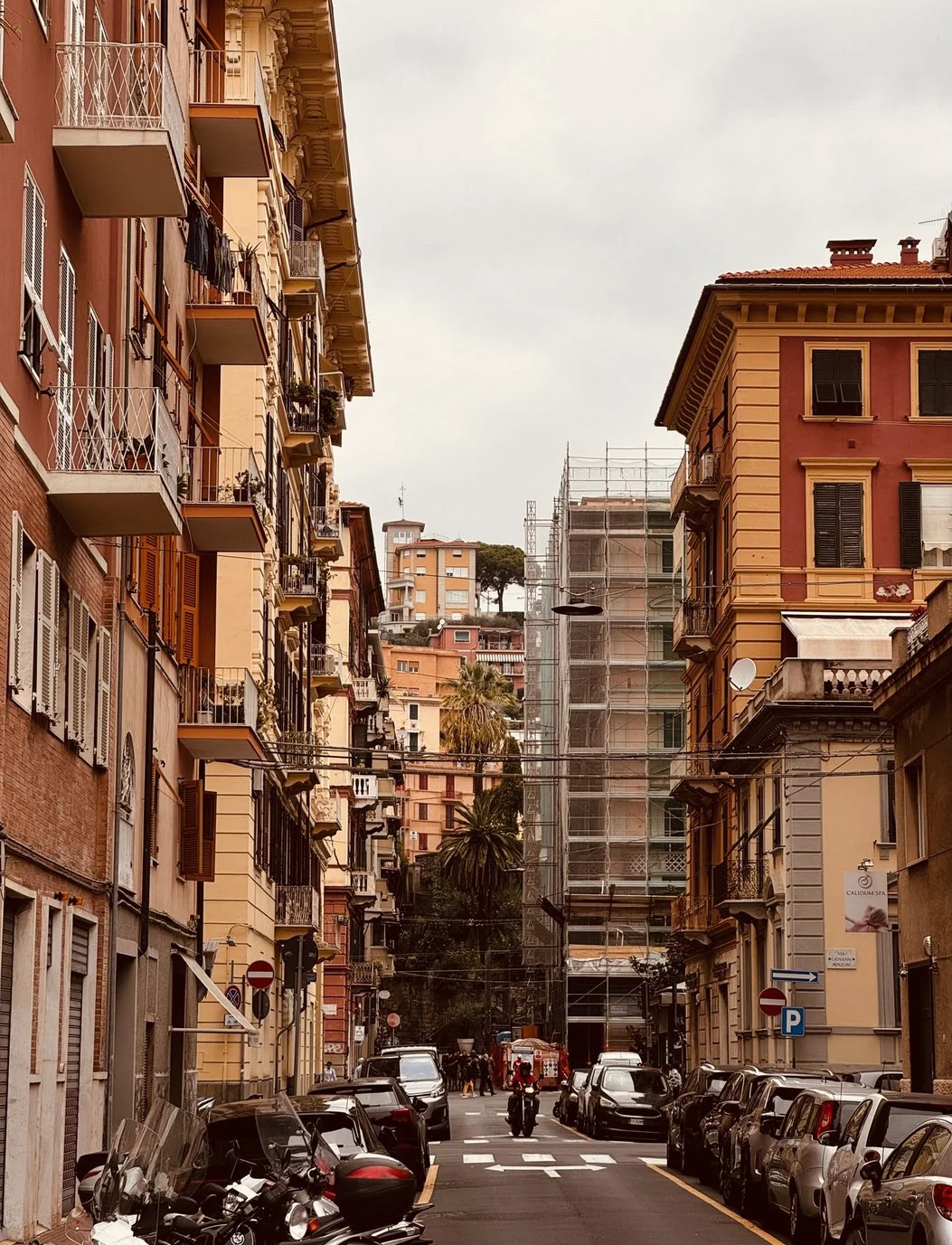
As a kid, that meant taking a computer apart or posting poems online. Today it’s software, writing, and street photography. Product design is where those technical and artistic sides come together. I still like moving between them.
I like getting deep into how the technology works, then figuring out how people can use it. I build alternatives in code to get a feel for them and work with engineers on where they hold up and where they break.
At Instagram, I’ve led teams of up to seven, hired four designers, and coached three to promotion.
| 2020–now | Senior Staff Product Designer · IC | |
| Nuro | 2018–2019 | First product designer |
| Instacart | 2015–2018 | Second product designer |
| Prismatic | 2013–2014 | Interaction Designer |
| Stanford UniversityEducation | MS Symbolic SystemsHuman-Computer InteractionBS Management Science & Engineering |
| 2025–now | IC |
|---|---|
| 2024–2025 | IC + Manager |
| 2023–2024 | IC |
| 2021–2023 | Manager |
| 2020 | IC |